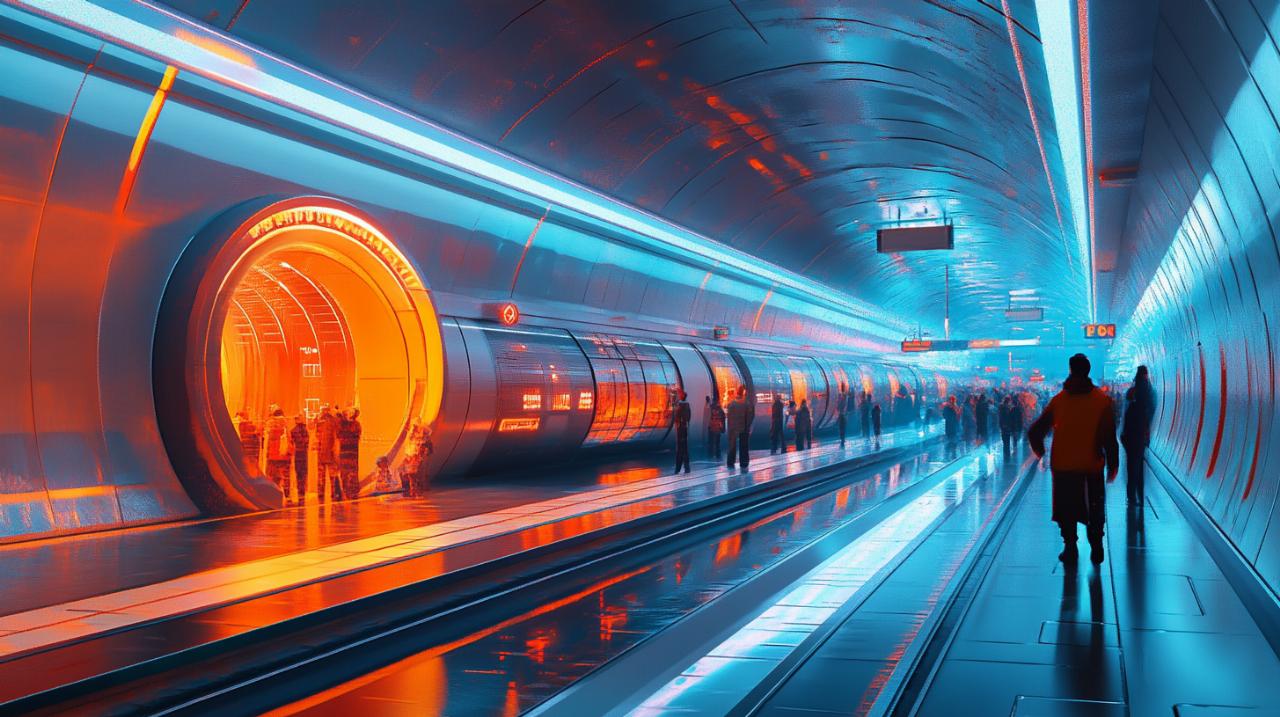
When one considers the grand engineering feats that define modern European cities, few projects capture the imagination quite like the ambitious underground networks that have transformed urban mobility in recent decades. Lyon, a city renowned for its rich history and vibrant cultural tapestry, has long been at the forefront of innovative public transport solutions. Yet, the construction of Metro C stands as a particularly remarkable chapter in the story of urban development within the Auvergne-Rhône-Alpes region. This underground line is not merely a functional addition to the city's transport infrastructure; it represents a bold commitment to engineering excellence and a vision for sustainable urban living. As the metro weaves beneath the historic streets and modern boulevards, it serves as a vital artery, pumping life and connectivity into the heart of Lyon and beyond.
Breaking records: the technical specifications that made metro c extraordinary
The Metro C line has achieved a status that few urban transport systems can claim, earning recognition as a world record-breaking achievement in the realm of underground engineering. This distinction is not born from a single innovation but rather from a comprehensive package of cutting-edge technology, meticulous planning, and a relentless pursuit of efficiency. The line's design and execution have set new benchmarks for what modern metro systems can accomplish, particularly in terms of capacity, speed, and operational excellence. The project has drawn upon the expertise of leading industry names, with Alstom playing a crucial role in delivering the advanced rolling stock and automated systems that underpin the metro's success. The collaboration between civil engineering firms and technology providers has resulted in a system that is as reliable as it is impressive, ensuring that Lyon's residents and visitors enjoy a seamless journey from one corner of the city to another.
Revolutionary rolling stock and alstom's engineering excellence
At the heart of Metro C's operational success lies the revolutionary rolling stock provided by Alstom, a company synonymous with innovation in the rail transport sector. The trains that traverse the line are equipped with state-of-the-art technology, designed to deliver not only speed and comfort but also unparalleled safety and efficiency. Each carriage is a testament to modern engineering, featuring lightweight materials that reduce energy consumption while maintaining structural integrity. The design philosophy behind these trains emphasises passenger experience, with spacious interiors, intuitive information systems, and accessibility features that ensure the metro is welcoming to all users. Alstom's contribution extends beyond the vehicles themselves, encompassing the integration of sophisticated control systems that allow for precise scheduling and real-time monitoring. This level of technological sophistication ensures that Metro C operates with minimal delays, a crucial factor in maintaining the high attendance figures that have become a hallmark of the line's popularity.
Automated systems and capacity: how metro c redefined urban transport standards
The automation systems deployed across Metro C represent a significant leap forward in urban transport management. By utilising fully automated train operations, the metro achieves a level of consistency and reliability that would be challenging to replicate with traditional manual systems. The automated nature of the service allows for shorter intervals between trains, significantly increasing the line's capacity and ensuring that even during peak hours, passengers experience minimal waiting times. This capacity enhancement is not merely a technical achievement; it reflects a strategic vision for Lyon's future, one in which public transport is not just an alternative to private vehicles but the preferred choice for millions of commuters. The director overseeing these operations, Xavier Allard, has been instrumental in steering the project towards this ambitious goal. Under his leadership, the metro has become a model for other cities seeking to modernise their transport networks. The efficiency of Metro C is further bolstered by its integration with the broader transport network, connecting key points across the city and providing seamless links to regional services. This connectivity is vital for a city of Lyon's stature, ensuring that residents and visitors alike can navigate the urban landscape with ease.
Overcoming underground obstacles: the construction challenges beneath lyon
Constructing an underground metro line is an endeavour fraught with complexity, and Metro C was no exception. Beneath the bustling streets of Lyon lies a labyrinthine world of geological challenges, historic infrastructure, and environmental sensitivities that demanded innovative solutions and meticulous planning. The engineers and construction teams faced the daunting task of carving out tunnels through varied geological strata, each presenting its own set of difficulties. The city's rich history meant that excavation work had to proceed with the utmost care to preserve the integrity of historic buildings and archaeological sites. Moreover, the integration of the metro into the existing urban fabric required a delicate balance between progress and preservation, ensuring that the construction process did not disrupt the daily lives of Lyon's residents more than necessary. The challenges were manifold, but the determination to deliver a world-class transport system drove the project forward, turning obstacles into opportunities for innovation.
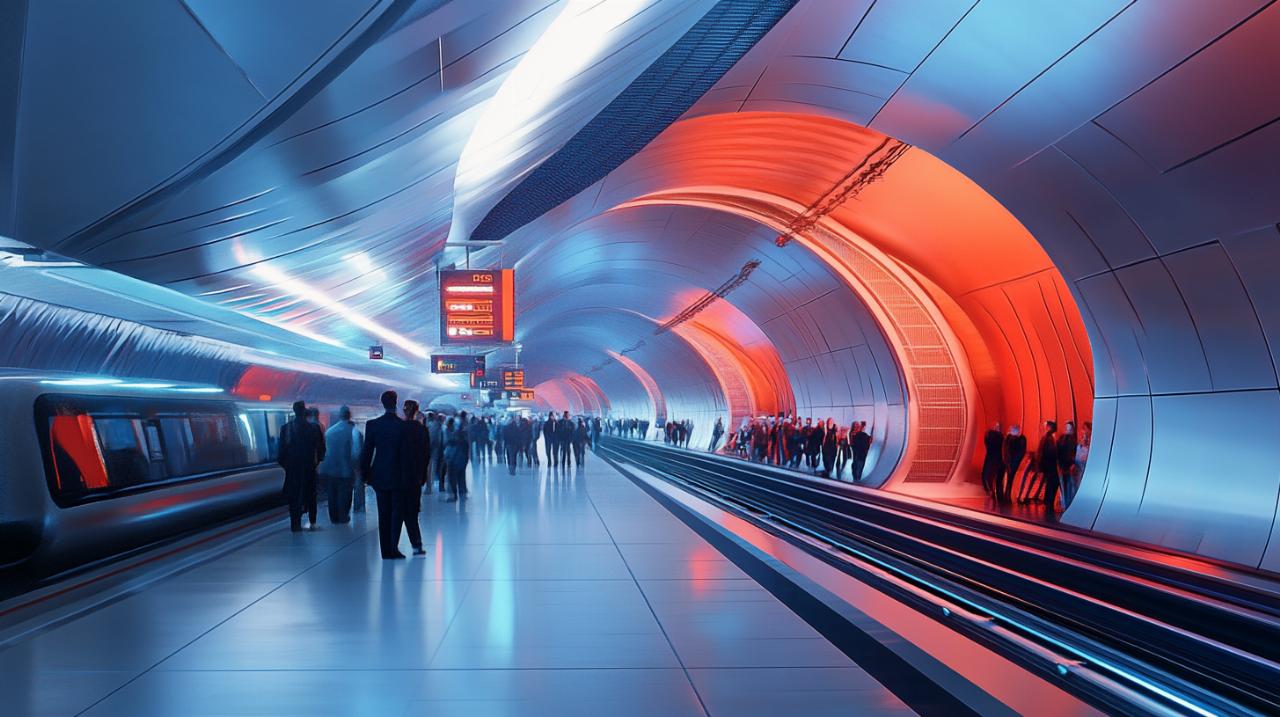
Navigating lyon's complex geological landscape and historic infrastructure
Lyon's geological landscape is as diverse as its cultural heritage, and this diversity posed significant challenges during the construction of Metro C. The engineers had to contend with layers of rock, clay, and water-bearing strata, each requiring different excavation techniques and support structures. The use of tunnel boring machines was a critical element in this endeavour, with these colossal pieces of equipment meticulously designed to handle the varying conditions encountered beneath the city. The Horizon consortium, which led the project, deployed advanced TBM technology to ensure that the tunnelling process was both efficient and safe. The machines were equipped with real-time monitoring systems that allowed engineers to adjust their operations in response to geological changes, minimising the risk of ground subsidence or other structural issues. The presence of historic infrastructure added another layer of complexity, as the metro had to be constructed in close proximity to centuries-old buildings and underground utilities. This required careful coordination with city authorities and the implementation of rigorous safety protocols to protect both the workers and the historic fabric of the city.
Managing water tables and urban integration during excavation
One of the most formidable challenges faced during the construction of Metro C was the management of water tables that lie beneath Lyon. The presence of groundwater posed a constant threat to the stability of the tunnels and required the implementation of sophisticated dewatering techniques and waterproofing measures. Engineers had to design drainage systems capable of channelling water away from the excavation sites, preventing flooding and ensuring that the structural integrity of the tunnels remained uncompromised. The use of diaphragm walls and other containment structures was essential in creating a secure environment for the construction teams to work in. Additionally, the project made significant strides in sustainable construction practices, with the adoption of ultra-low-carbon concrete EXEGY for tunnel lining segments and diaphragm walls. This innovative material not only provided the necessary structural support but also resulted in a substantial reduction in carbon dioxide emissions compared to standard concrete. The commitment to sustainability extended beyond materials, encompassing waste management, energy-efficient construction methods, and a focus on minimising the environmental impact of the project. Urban integration was another critical consideration, as the construction had to proceed without causing undue disruption to the city's transport networks, businesses, and residents. This required careful scheduling of work, extensive consultation with stakeholders, and the implementation of measures to mitigate noise, dust, and traffic congestion.
Metro C's Impact on Lyon and the Auvergne-Rhône-Alpes Region
The completion of Metro C has had a transformative impact on Lyon and the wider Auvergne-Rhône-Alpes region, reshaping the way people move through the city and beyond. The metro has become an essential component of the urban transport ecosystem, connecting residential areas, commercial districts, and cultural landmarks with unprecedented efficiency. The impressive attendance figures that the line has achieved are a testament to its popularity and the extent to which it has become integrated into the daily lives of Lyon's residents. Beyond the immediate benefits of reduced travel times and increased connectivity, Metro C has also contributed to broader regional development goals, supporting economic growth and enhancing the quality of life for millions of people. The project has reinforced Lyon's position as a key player in the region, demonstrating that investment in public transport infrastructure is not just about meeting current demand but about laying the foundations for a sustainable and prosperous future.
Transforming daily commutes: attendance figures and network connectivity
The success of Metro C is perhaps most vividly illustrated by the remarkable attendance figures that the line has generated since its inception. Millions of passengers rely on the metro each year, a clear indication of its importance to the fabric of urban life in Lyon. The line's many stations are strategically located to serve both densely populated residential areas and key commercial and cultural hubs, ensuring that the metro is accessible to a broad cross-section of the city's population. This accessibility has transformed daily commutes, offering a fast, reliable, and comfortable alternative to private vehicles and other forms of transport. The efficiency of the service, underpinned by the automated systems and advanced rolling stock provided by Alstom, means that passengers can depend on the metro to get them to their destinations on time, every time. The network connectivity that Metro C provides extends beyond the city limits, with seamless links to regional rail services and other metro lines, creating an integrated transport network that facilitates movement across the Auvergne-Rhône-Alpes region. This connectivity is crucial for supporting the region's economic vitality, enabling businesses to attract talent from a wider area and making it easier for residents to access employment, education, and leisure opportunities.
Xavier Allard's Vision: Strategic Planning for a World-Class Transport Artery
The vision behind Metro C is one that extends far beyond the immediate practicalities of transport provision. Xavier Allard, the director overseeing the metro's operations, has been a driving force in shaping the strategic direction of the project, ensuring that it not only meets the current needs of Lyon's residents but also anticipates the challenges and opportunities of the future. His leadership has been characterised by a commitment to innovation, sustainability, and excellence, values that are reflected in every aspect of the metro's design and operation. The strategic planning that underpins Metro C has involved extensive consultation with stakeholders, rigorous analysis of transport demand patterns, and a forward-thinking approach to infrastructure development. The result is a transport artery that is not only world-class in its technical specifications but also deeply attuned to the social and environmental context in which it operates. The project has set a precedent for other cities seeking to modernise their transport networks, demonstrating that with the right vision and commitment, it is possible to create infrastructure that truly serves the needs of the community while also achieving record-breaking feats of engineering. The Metro C line stands as a symbol of what can be achieved when ambition, expertise, and a dedication to public service come together in pursuit of a common goal.